
How to Control Lifestyle Inflation

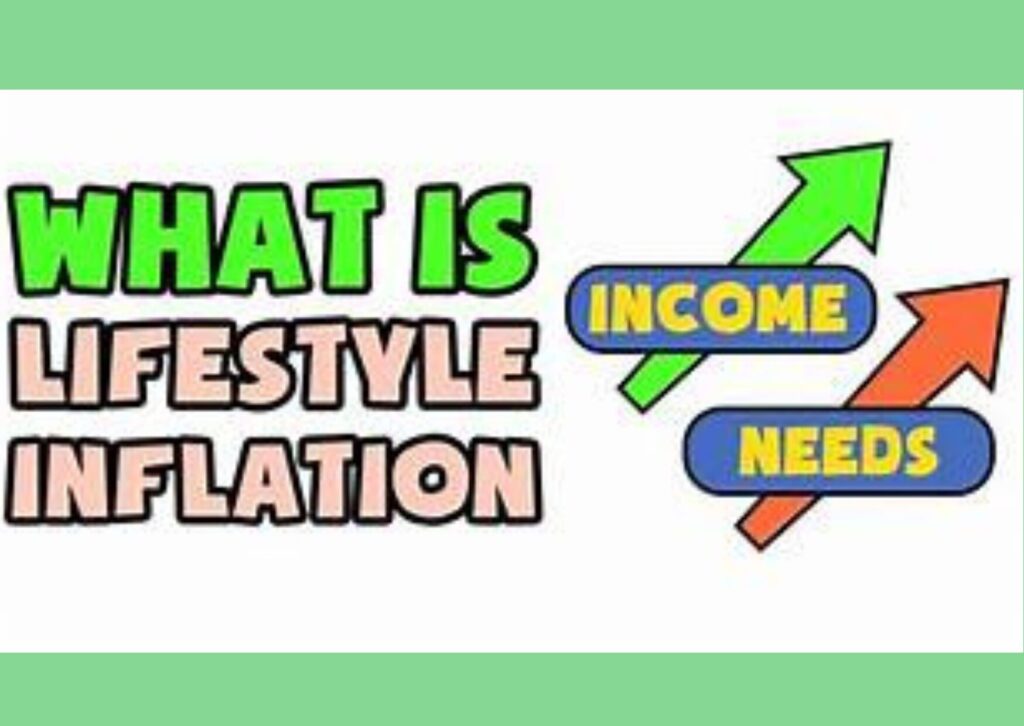
A person’s monthly expenses typically increase with their promotion to a higher-paying job, which is usually alluded to as an expansion of their way of life.
Why Way of Life Expansion Occurs
One reason individuals spend more cash when they are more accessible is old-fashioned staying aware of the Joneses’ attitude. It’s common for people to feel like they must pay the same as their friends and coworkers:
- On the off chance that others drive a BMW, you might want to purchase a superior vehicle, too, regardless of whether your old arrangement of wheels gets you from Point A to Point B fine and dandy.
- When you first moved into your house on one side of the city, it might have been your ideal home. However, since so many of your friends live in other parts of the city, you may suddenly need to move.
- You’ve generally begrudged others’ garments, decorations, getaways, support of fine eateries, and far-reaching developments—and presently, you possess the ability to do likewise.
When spending more makes sense, your personal and professional circumstances will evolve. This means you’ll have to pay more for things you’ve always avoided, like a car, or things you could cut back on, like clothes. As your responsibilities to your family and work grow, you can anticipate a certain amount of lifestyle inflation.

Lifestyle Inflation Avoidance While some degree of lifestyle inflation may be unavoidable, keep in mind that how you spend your money today will impact your financial situation in the future. And if you spend more now, it might be harder to break the habit in the future.
Save or spend?
Let’s say you bought that $800 pair of Jimmy Choos or a phone of better quality when you were 25 years old. In any case, you had contributed that $800. If no additional investments were made and the rate of return (RoR) was 5%, that $800 would be worth $5,632 when you turned 65. Even though the shoes are fantastic, which would you rather have—excellent footwear for a few years or nearly $6,000 more as you approach retirement?
Needs and Needs
While specific buys are fundamental, it generally pays to isolate needs from wants. By keeping needs and wants in mind and assessing whether a potential purchase is a need or a desire, you can make better financial decisions and avoid excessive lifestyle inflation.
How Does Lifestyle Inflation Work?
Lifestyle inflation, or lifestyle creep, occurs when a person’s spending increases with their income.
How can I prevent lifestyle creep?
It’s hard to avoid falling into the lifestyle creep trap because it tends to sneak up on you, but here are some ways to prevent it once you start making more money.
- Calculate: First, compute the more you’re netting. The effect of a raise on the bottom line after taxes is frequently less significant than it appears.
- Do nothing long haul: Yes, celebrate, but limit it to something tangible like a vacation, jewelry, or a cutting-edge flat screen. Avoid making immediate significant commitments, such as leasing a new apartment or purchasing a car. Hold until the primary surge of happiness blurs, and you’ve sorted out your new financial plan (see above).
- Get out of there: If you want to treat yourself well, how about paying off some loans or credit card balances? There is much to be said for fresh starts, even if it doesn’t offer as much fun right away as the mentioned flat screen. Additionally, you can purchase a toy much sooner if you save money on interest.
Invest in continuing the theme of delayed gratification, as you might want to start or increase your 401(k) or IRA contributions. You’ll be glad you did when you reach retirement age. Or, earlier still, you will appreciate it if your raise puts you in a higher tax bracket