
A personal budget helps prevent debt by providing a correct approach to managing your finances.

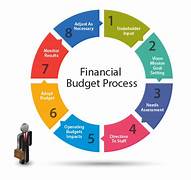
A personal budget helps prevent debt by providing a correct approach to managing your finances.
A personal budget helps prevent debt by providing a correct approach to managing your finances.
Here’s how it works:
1.Awareness of Income and Expenses
- Tracking Spending: A budget enables you to understand where your money goes by listing all income sources and tracking expenses. This awareness can prevent overspending and highlight areas where you can cut costs.
- Realistic Planning: Knowing your Income allows you to plan for necessary expenses without relying on credit.
2. Setting Financial Goals
- Prioritizing Needs vs. Wants: A budget helps distinguish between essential and non-essential expenses, encouraging you to prioritize needs over wants.
- Allocating Funds for Savings: It allows you to allocate money towards savings and emergency funds, reducing the need to borrow in case of unexpected expenses.
- Controlling Debt Accumulation
- Limiting Unnecessary Borrowing: With a precise spending plan, you’re less likely to need loans or credit cards for everyday expenses.
- Paying Down Existing Debt: A budget can help you allocate funds to pay down existing debts faster, reducing interest costs over time.
- Avoiding Financial Shortfalls
- Managing Cash Flow: A budget helps ensure you have enough money to cover monthly expenses, preventing shortfalls that could lead to borrowing.
- Preparing for Irregular Expenses: By setting aside money for irregular or infrequent expenses (like car repairs or medical bills), a budget reduces the need for debt in these situations.
- Creating Financial Discipline
- Monitoring Progress: Regularly reviewing your budget helps you stay under control with your financial goals and adjust your spending habits as needed.
- Developing Good Habits: Consistent budgeting fosters habits of saving and mindful spending, which can prevent debt accumulation over the long term.
6. Building a Safety Net

- Emergency Fund: A budget can include contributions to an emergency fund, providing a cushion that protects against unforeseen financial hardships.
- Future Planning: Budgeting helps you plan for major expenses (e.g., buying a car or home) without relying on credit.
Practical Steps to Implement Budgeting
- List All Income Sources: Include all forms of Income, such as salary, freelance work, or investment returns.
- Track and Categorize Expenses: Categorize your spending (e.g., rent, groceries, entertainment) and monitor it closely.
- Set Limits: Construct spending limits for each category to avoid overspending.
- Review Regularly: Evaluate your budget regularly and make adjustments as needed.
Tools for Budgeting
 Spreadsheet Programs: Tools like Microsoft Excel or Google Sheets can help you create detailed budgets.
- Budgeting Apps: Apps like YNAB (You Need a Budget), Mint, or Pocket Guard can automate tracking and provide insights.
Example of a Simple Budget
| Category | Planned | Actual | Difference |
| Income | $3,000 | $3,000 | $0 |
| Rent | $1,000 | $1,000 | $0 |
| Groceries | $300 | $280 | +$20 |
| Utilities | $150 | $150 | $0 |
| Transportation | $200 | $190 | +$10 |
| Entertainment | $100 | $120 | -$20 |
| Savings | $500 | $500 | $0 |
| Miscellaneous | $150 | $160 | -$10 |
| Total Expenses | $2,400 | $2,400 | $0 |
| Remaining Income | $600 | $600 | $0 |
Final words
A personal budget is a powerful tool for managing day-to-day expenses and supporting long-term financial health by preventing debt and fostering disciplined spending habits. By making informed financial decisions and preparing for future needs, you can avoid the pitfalls of debt and build a secure financial future.